
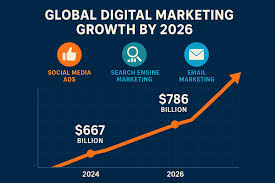
Digital marketing has always been a fast-moving space, but 2026 is shaping up to be a year where technology, consumer expectations, and creativity come together in completely new ways. The habits of online shoppers are changing, social media platforms are evolving, and businesses are increasingly relying on smarter digital tools to stay competitive. Whether you’re a small business owner, a freelancer, or an experienced marketer, understanding the latest trends can help you stay ahead. Here’s a look at what’s shaping the digital marketing world in 2026.
1. Hyper-Personalised Marketing Becomes the New Normal
By 2026, consumers are tired of generic ads. They expect experiences tailored specifically to their interests, browsing patterns, and purchase history. Thanks to powerful data analytics and next-generation marketing tools, brands now deliver highly personalised content automatically.This includes:
- Product recommendations based on past behavior
- Emails that match user preferences
- Dynamic website content that changes for each visitor
- Custom video messages based on user segments
What makes 2026 different is that personalisation is no longer a nice extra — it’s essential. Brands that ignore it risk losing customers to competitors who understand and anticipate consumer needs.
2.AI Isn’t Taking Over — It’s Becoming a Creative Partner
While AI tools exploded in previous years, 2026 is the year brands have learned how to use them effectively. Instead of replacing marketers, AI is now a powerful assistant that speeds up research, content planning, and analysis.
But creativity, strategy, and storytelling still come from human marketers.
Brands use AI for:
- Market research
- Content drafts
- Customer segmentation
- Predictive analytics
But they rely on humans to refine voice, emotion, and narrative. This balance creates campaigns that are both efficient and genuinely engaging.
3. Short-Form Video Continues to Dominate, But Quality Matters More
Short-form videos on TikTok, YouTube Shorts, and Instagram Reels are still at the top of the content pyramid. However, the difference in 2026 is that audiences now prefer value-driven videos instead of random trends.
Successful content includes:
- Quick tutorials
- Honest product reviews
- Behind-the-scenes stories
- Relatable humor
- “Day in the life” style narratives
People also want authenticity. Over-edited, heavily curated videos are losing traction while simple, real, and meaningful clips get more attention.
4. Social Commerce Expands With Built-In Trust Features
Social commerce is booming in 2026. People are shopping directly through Instagram, TikTok, and Pinterest without ever visiting a website. What’s new this year is the rise of built-in trust boosters like:
- Verified creator recommendations
- In-app product trials using AR
- Social proof badges
- Direct customer support inside the platform
Buyers trust creator opinions more than brand promotions, making influencer-led commerce one of the biggest money-making avenues of the year.
5. Voice and Conversational Search Are at an All-Time High
With smart home devices and improved voice assistants, more users are performing searches conversationally. Instead of typing keywords, they ask complete questions like:
- “What’s the best budget smartphone right now?”
- “Where can I find the top digital marketing course near me?”
This shift means brands must optimise for natural language. FAQ-based content, conversational blog posts, and featured snippets are now more important for SEO success.
6. Zero-Party Data Takes Center Stage
After years of privacy changes, 2026 is the year data collection becomes fully transparent. Brands rely more on zero-party data—information customers voluntarily share through:
- Polls
- Forms
- Surveys
- Loyalty programs
Consumers prefer this approach because it feels honest. Businesses benefit because the data is accurate, relevant, and permission-based.
7. Influencer Marketing Becomes More Honest and Regulated
Influencer marketing continues to grow, but audiences are smarter now. They can instantly tell the difference between real enthusiasm and paid promotion. Because of this, 2026 introduces stricter transparency guidelines and a stronger push for authentic partnerships.
Instead of one-off collaborations, brands choose:
- Long-term contracts
- Co-creation partnerships
- Real product testing
- Influencers who genuinely use the product
Micro and nano influencers remain powerful because they create real, relatable content instead of polished commercials.
8. Immersive AR Experiences Gain Mainstream Adoption
The popularity of AR has skyrocketed this year. Brands are using augmented reality for:
- Virtual try-ons
- Interactive product demos
- 3D store experiences
- Real-time customization previews
AR no longer feels like a futuristic experiment — it’s becoming part of everyday shopping behaviour.
9. Email Marketing Evolves Into a Storytelling Channel
Email is still one of the strongest digital marketing tools, but in 2026, storytelling is what separates good campaigns from great ones. Instead of pushing sales messages, brands are sharing:
- Customer stories
- Behind-the-brand insights
- Lifestyle content
- Personal letters from founders
- Value-packed newsletters
Not only does this improve loyalty, but it also boosts conversions naturally.
Conclusion
Digital marketing in 2026 is more human-centric than ever. Instead of chasing algorithms, brands are focusing on authenticity, value, and meaningful user experiences. While AI and new technologies help streamline work, it’s human creativity and emotional connection that truly drive result.